
Why Your Organization Needs Data Loss Prevention
Five reasons to use Data Loss Prevention: protect sensitive information, support compliance, reduce insider and business risks, and improve data management.
Published
- cybersecurity
- security
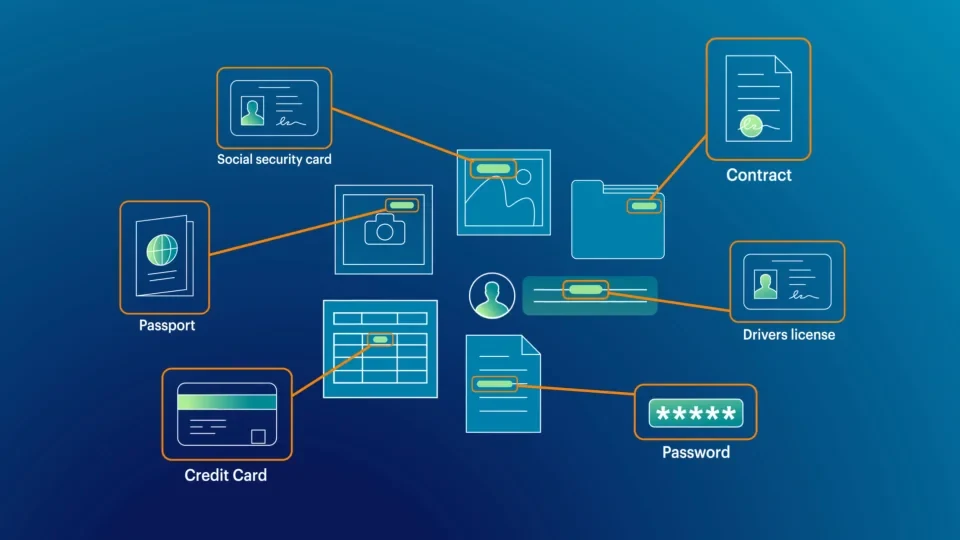
Data Loss Prevention (DLP) helps protect important information and control how it is used within an organization. This article brings together five reasons from the original source, from reducing data leaks to coordinating data management across teams.
1. Protecting Important Information
Customer, financial and employee information, internal documents and medical records all need protection. A leak can damage an organization’s credibility.
DLP helps monitor and control access to sensitive information. It also covers information leaving through email, cloud storage, USB drives and internal systems.
For example, if an employee tries to email a file containing customer information to an external address, DLP can alert the team or block the transfer.
2. Supporting Regulatory and Compliance Efforts
The original article names GDPR, HIPAA and personal data requirements as examples of rules associated with appropriate data handling.
DLP helps organizations define data policies and monitor transfers of important information. These controls help reduce leaks that could create legal exposure or fines.
Organizations can also use event histories and usage records during reviews. This makes data controls and the evidence supporting them clearer.
3. Preventing Leaks from Insider Threats
Employees may send a file to the wrong person, upload information to personal cloud storage or copy data out of a system without intending harm.
DLP helps detect risky behavior and control information leaving the organization. Teams can identify unusual activity and reduce risk before a leak occurs.
4. Reducing Business Risk
Data leaks can affect reputation, customer confidence and business continuity. These concerns are especially relevant to organizations handling customer information, financial data and trade secrets.
DLP helps show where important information resides, who can access it and which channels carry it out of the organization. Controls at the source help IT and Security teams respond faster.
5. Improving Data Management
Visibility into data flows helps organizations set policies suited to each department and type of information.
IT and Security teams can use this information to investigate unusual activity and reduce duplicated work. This supports safer, more organized data use.
IT, Security and Compliance teams can also share DLP information to improve policies and reduce gaps that could lead to future leaks.
Summary
DLP helps organizations control important information, identify risk and improve data policies. The original article links to Cloudflare’s DLP solution for further information.
Contact us to discuss your organization’s data protection needs.