
What Is Zero Trust?
An introduction to Zero Trust, continuous access verification and organizational adoption, with provider examples preserved from the original 2023 article.
Published
- cybersecurity
- security
- zero-trust
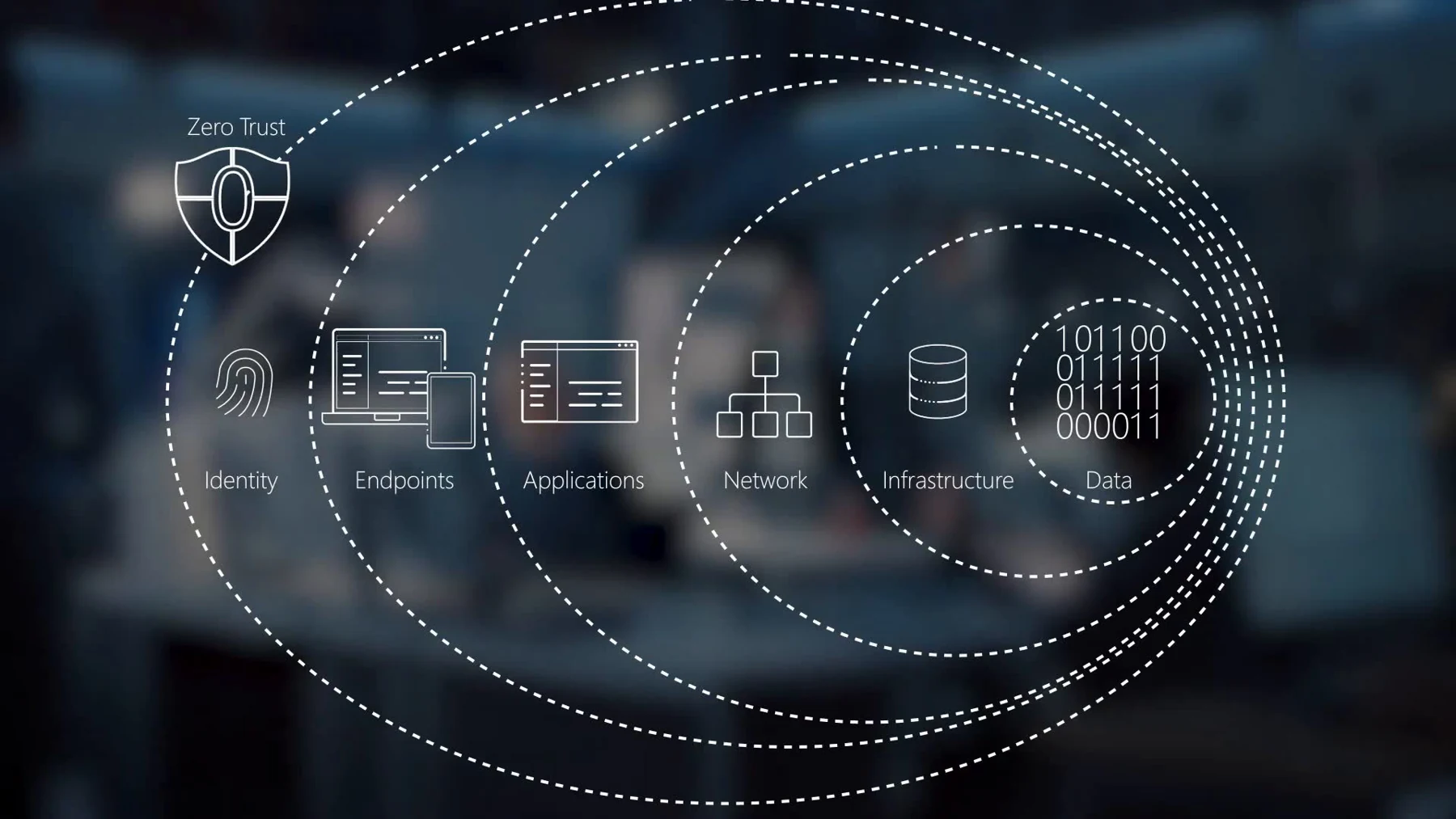
Zero Trust changes how organizations approach system access by emphasizing user verification and authentication. This article explains the concept and starting points from the original 2023 source.
What Zero Trust Means
Zero Trust is a cybersecurity design approach described in the original article as trusting no one by default. Internal and external users must be verified and authenticated before accessing systems.
The approach addresses threats whose complexity makes protection at the network boundary alone insufficient.
Why Zero Trust Matters
Supporting Work Across Locations
Remote work requires access to resources from many locations. Zero Trust provides an approach to verifying access in these working arrangements.
Reducing Internal Risk
Continuous verification helps reduce risks from internal users who could become the starting point of an attack.
Verifying Resource Access
Checking each access request helps organizations control system use and respond to threats.
Adopting Zero Trust
Start by understanding the network’s scope and the resources that need protection. Then plan system changes that support verification and authentication.
Adopting Zero Trust involves both an approach to security management and changes to the systems that support it.
Providers Mentioned in the Original Article
The following list retains the context of the 2023 article. Product names and service scope have not been rechecked for the present day.
Cloudflare
The original article mentions Zero Trust Security solutions and services for enterprise security.
Cisco
The original article mentions Cisco Duo and Cisco Zero Trust Security, covering multi-factor authentication, personal information protection and network security.
Palo Alto Networks
The original article mentions Prisma Access for network protection that works with cloud environments.
Okta
The original article discusses identity and access management as a way to help organizations adopt Zero Trust.
Microsoft
The original article mentions Microsoft Azure and Microsoft 365 for data protection, device management and application security.
VMware
The original article mentions VMware NSX and VMware Workspace ONE for managing network access and protecting information across environments.
Zscaler
The original article mentions Zscaler Internet Access and Zscaler Private Access for protecting access to the internet and internal applications.
Choosing an Approach for Your Organization
Consider specific requirements, organizational size, IT architecture and budget. Further research and discussions with specialists can help match a solution to the systems it needs to protect.
Contact us to discuss adopting Zero Trust in your organization.